Yes. You can learn model design, dimensions, basic slicing and how to request a print before buying a printer. A shared workshop, a school facility or a print service can make your first physical sample. You will still need hands-on access later to learn machine setup and maintenance, but ownership is not the first lesson.
Separate the skills
| Skill | What you can practise now |
|---|---|
| Design | Sketch a useful object and build a simple model. |
| Preparation | Inspect size, orientation and the layer preview. |
| Communication | Write a clear brief for someone who will print it. |
| Evaluation | Measure and test a sample against your brief. |
| Machine operation | Practise later with the actual printer and its instructions. |
Start with a clear brief
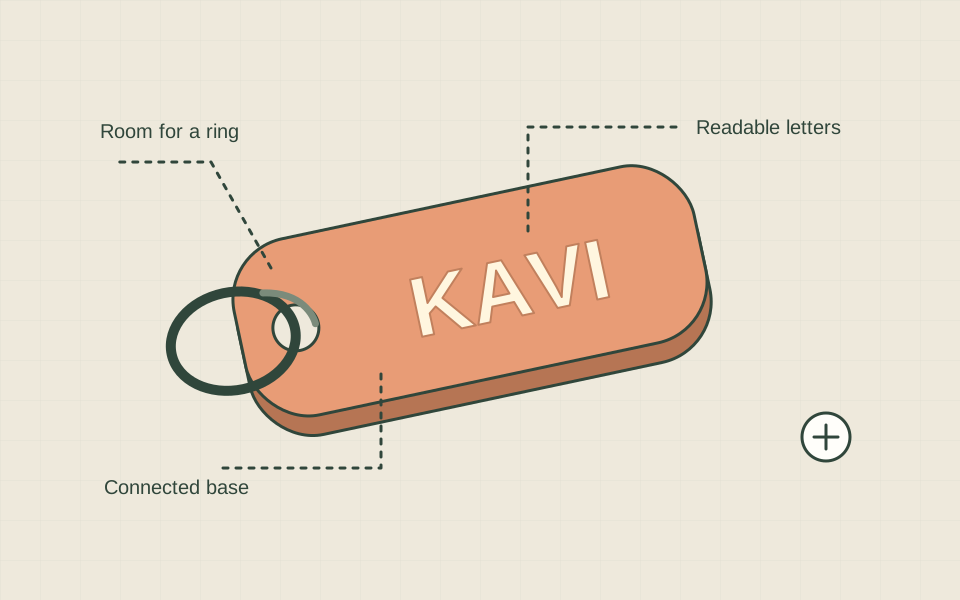
Choose one low-consequence object, such as a desk label. Write the text exactly, including capital letters. Add the overall length, width and thickness you have in mind. Explain whether it stands on a desk, hangs from a ring or sits flat. Attach a sketch with dimensions. A brief describes the result you need; it does not need to prescribe every machine setting.
Ask the print provider to flag thin details, difficult overhangs and any missing dimensions before producing it. If the appearance matters, specify which face people will see. Request one sample before ordering several copies. A small change to lettering or the ring hole is easier to make before a batch exists.
Try a model editor
Browser-based tools such as Tinkercad let beginners work with simple shapes. Start with a rectangle and a name, rather than trying to model a detailed character. Practise moving, resizing and joining parts. Keep a separate editable version so you can change the spelling or size later. Check the tool’s current account and sharing options before uploading anything private.
Use a slicer to ask better questions
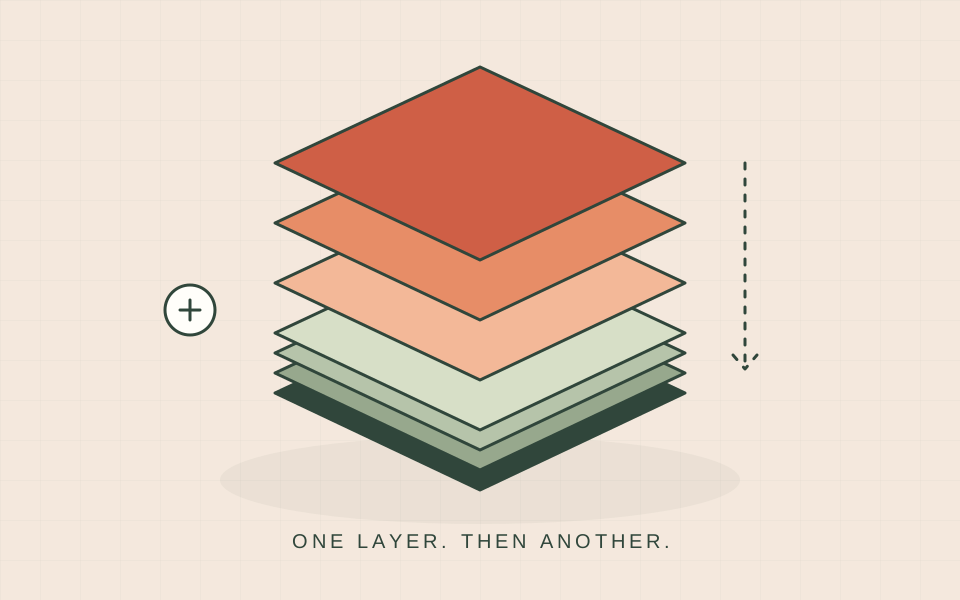
A slicer can help you inspect a model and understand what preparation involves. For a meaningful estimate, use the actual printer and material profile supplied by the provider. Otherwise treat the preview as an exercise. An estimated two-hour job in one profile does not prove that a service will quote two hours or the same price.
- Check whether the model has the size you intended.
- Look at the first layer and identify the face touching the plate.
- Find any features that begin above empty space.
- Ask the provider which details may need changing before printing.
Learn from the physical sample
When your sample arrives, compare it with the sketch instead of judging only the colour. Measure the overall size. Check that the letters are readable at a normal viewing distance. If it has a hole, try the intended ring. Write down one thing that works and one thing you would improve. This is useful design feedback even if you never touched the printer.
A useful first milestone
Aim for a folder containing your sketch, a model file, a written brief, a photo of the sample and a short revision note. That is a complete learning cycle. If the process suits you and projects become frequent, use those real requirements to choose your first printer.
Sources & further reading
We use AI to help prepare our guides. Check the sources and follow the instructions for your specific printer and materials.